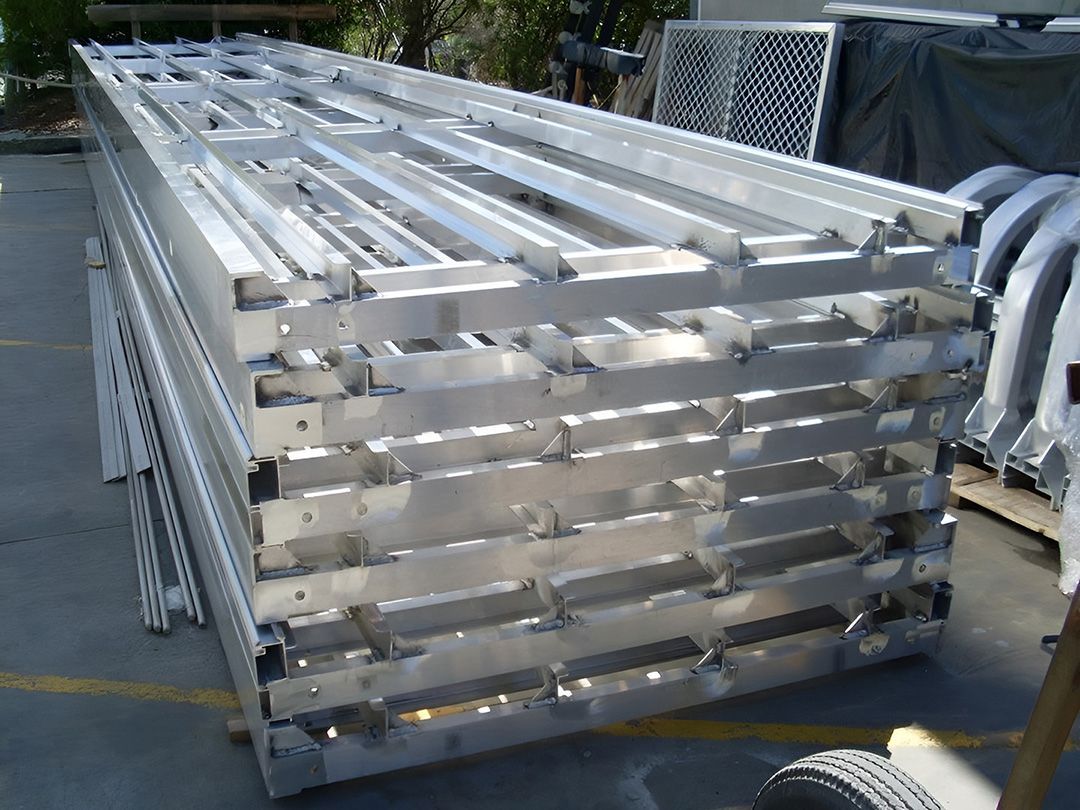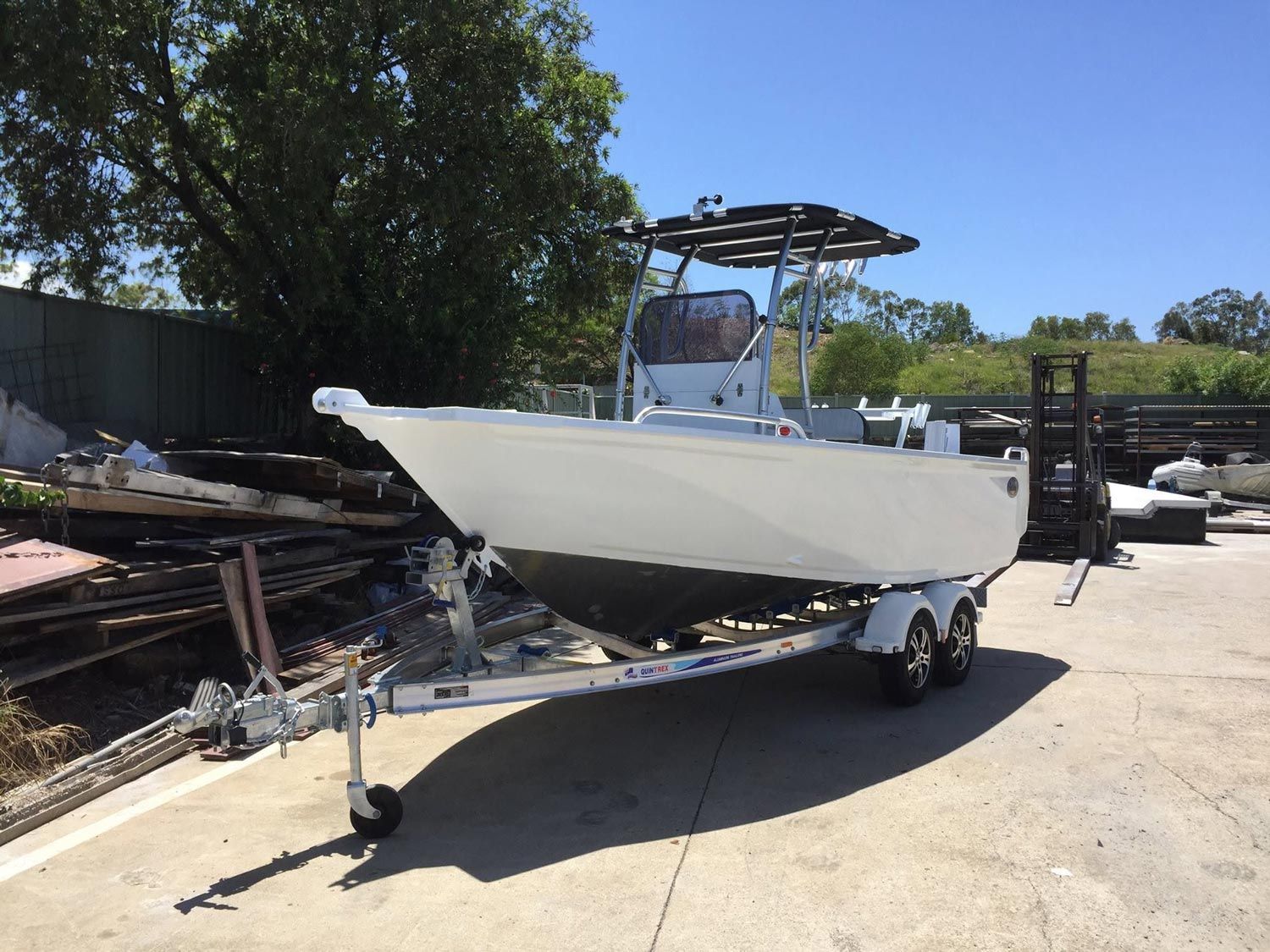
Ensuring Fabricated Metal Structures Meet Australian Standards For Long-Term Safety
Metal structures are often relied upon without much thought once they are in place. From residential features and commercial frameworks to marine components and specialised equipment, objects created through metal fabrication are expected to perform safely and consistently for many years. These structures frequently operate under load, exposure and repeated use, yet their performance is rarely questioned until something goes wrong.
Long-term safety in metal fabrication is never accidental. It is achieved through careful planning, correct material selection, skilled workmanship and strict adherence to Australian Standards throughout design, fabrication and installation. When standards are applied correctly, metal structures deliver predictable strength, durability and compliance. When they are overlooked, risks can develop quietly over time, sometimes remaining hidden until failure occurs.
Understanding how Australian Standards underpin fabrication quality helps homeowners, contractors, marine operators and businesses make informed decisions when engaging metal fabrication services. Compliance is not simply a box to tick. It is a practical framework that protects people, assets and long-term performance.
Australian Standards Are the Foundation of Safe Metal Fabrication
Australian Standards form the backbone of safe and reliable metal fabrication. They establish consistent requirements for materials, welding quality, fabrication tolerances and installation practices, creating a shared benchmark across the industry.
These standards support safety by:
- Defining minimum strength, durability and performance expectations
- Reducing variability in workmanship across different projects
- Providing guidance for fabricating structures that must withstand real-world conditions
By following Australian Standards, professional metal fabrication services ensure structures behave as intended under load, stress and environmental exposure. Rather than restricting design possibilities, standards provide clarity and confidence, allowing fabricators to deliver dependable outcomes that stand the test of time.
From Design to Installation, Compliance Starts Before the First Cut
Compliance does not begin on the workshop floor. It starts during the design and planning stage, where the intended purpose of a structure is carefully considered. Load paths, usage conditions and environmental exposure all influence how a structure should be fabricated.
Key compliance considerations during planning include:
- Anticipated static and dynamic loads
- Connection details and support points
- Suitability of materials for long-term service
Professional fabricators embed Australian Standards into the design process, ensuring fabrication and installation follow a clear, compliant path. This proactive approach reduces rework, improves accuracy and ensures the finished structure performs safely from the moment it is installed.
Why Correct Welding Techniques Make or Break Structural Safety
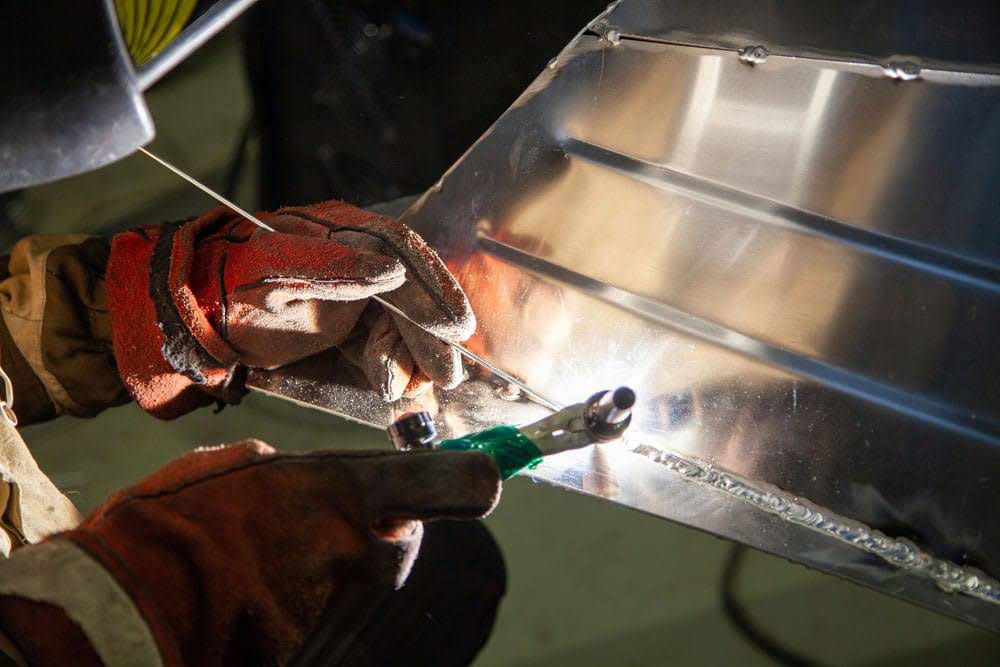
Welding is one of the most critical elements in fabricated metal structures. Even when high-grade materials are used, incorrect welding techniques can introduce weaknesses that compromise safety and longevity.
Compliant welding practices focus on:
- Following approved welding procedures suited to the application
- Ensuring welders are qualified for the specific materials and processes
- Inspecting welds for strength, penetration and consistency
Professional metal fabrication services understand that welding is both a technical skill and a safety-critical process. Proper welding ensures loads are transferred correctly through the structure, reducing fatigue, cracking and premature failure over time.
Using the Right Materials for Residential, Commercial & Marine Conditions
Material choice has a direct impact on how a fabricated structure performs throughout its life. Australian Standards specify mechanical properties and grades to ensure consistency, but environmental exposure also plays a significant role.
Material selection is influenced by:
- Load requirements and design stresses
- Exposure to moisture, salt or corrosive conditions
- Maintenance expectations and service life
Professional fabricators select compliant materials that suit both the structural demands and operating environment. This balanced approach improves resistance to corrosion, wear and fatigue, helping structures remain safe and functional long after fabrication is complete.
Structural Testing & Quality Checks That Prevent Costly Failures
Testing and inspection are essential steps in confirming that fabricated structures meet required standards. These processes help identify issues early, before structures are placed into service or subjected to full operational loads.
Common quality assurance measures include:
- Visual inspections to confirm workmanship quality
- Non-destructive testing to assess weld integrity
- Dimensional checks against approved drawings
By integrating testing throughout the fabrication process, professional metal fabrication services reduce the likelihood of defects reaching installation. This focus on verification protects clients from unexpected failures, delays and safety concerns later on.
Certified Fabrication Processes Provide Accountability & Traceability
Certified fabrication processes create transparency and accountability at every stage of a project. Documentation allows stakeholders to verify that materials, welding and fabrication methods meet recognised standards.
Certified processes often include:
- Material certificates confirming grade and origin
- Welding procedure documentation and welder qualifications
- Inspection and testing records
This traceability supports compliance, simplifies approvals and provides confidence that fabrication has been completed responsibly. Working with qualified fabricators ensures there is clear evidence that safety and quality have been prioritised throughout the project.
Load-Bearing Performance Depends on More Than Just Thickness
Structural performance is influenced by far more than material thickness alone. While thickness contributes to strength, load-bearing capacity depends on how all elements of a structure work together.
Factors affecting performance include:
- Accuracy of fabrication and fit-up
- Quality and placement of welds
- Alignment and support during installation
Australian Standards address these combined factors to ensure predictable load behaviour. Professional metal fabrication services apply these principles to deliver structures that perform reliably under real-world conditions, not just on paper.
Working With Qualified Metal Fabricators Protects Long-Term Safety
Engaging qualified metal fabricators is one of the most effective ways to safeguard long-term safety. Experienced professionals understand how Australian Standards apply across different applications and ensure compliance is maintained from start to finish.
Benefits of working with qualified fabricators include:
- Reduced risk of non-compliant or defective work
- Improved durability and structural reliability
- Confidence that safety obligations have been met
Professional fabrication services deliver structures designed to perform safely throughout their service life. This approach protects people, equipment and investments well beyond initial installation.
Get Reliable Metal Fabrication on the Gold Coast
We at
Brumb's Welding & Fabrication understand the demands that coastal exposure, marine conditions and heavy-use environments place on fabricated metal structures across the Gold Coast. Our metal fabrication services focus on compliance, durability and long-term safety, ensuring every structure is built to Australian Standards from design through to installation. If you require reliable
Metal Fabrication Gold Coast services for residential, commercial or
marine applications, we invite you to
get in touch or learn more at
https://www.brumbs.com.au/.