Why Marine Welding Requires Specialised Skills
Marine welding is not simply general fabrication carried out near the water. Boats, pontoons, jetties and other marine structures are exposed to saltwater, movement, vibration, weather and repeated loading, so weld quality and material choice matter more than they might in a standard workshop project.
For anyone looking for
marine welding on the Gold Coast, the important difference is experience with marine-grade materials, aluminium fabrication, structural repairs and the conditions these components face once they return to the water.
Why Is Marine Welding Different From General Fabrication?
General fabrication covers a wide range of projects, but marine work introduces a harsher operating environment.
A weld on a boat hull, pontoon or jetty needs to withstand more than its immediate load. It may also be exposed to saltwater, constant moisture, vibration and movement, while some components play a direct role in the structure or watertight integrity of the vessel. That means the welder needs to understand both the material being joined and how the finished component will behave in service.
For commercial vessels, welding also needs to account for the relevant construction and structural requirements that apply to marine work.
Why Does Aluminium Welding Require Extra Skill?
Aluminium is widely used in marine fabrication because it is lightweight and naturally resistant to corrosion, making it well suited to boats, pontoons and marine structures.
It is also very different to weld from mild steel.
Aluminium conducts heat quickly, has a lower melting point and requires careful control to avoid distortion or weak welds. Surface preparation is also important because the oxide layer on aluminium melts at a much higher temperature than the base metal underneath.
For marine work, the alloy and filler material also need to be compatible with the parent metal being joined.
That combination of heat control, preparation and material selection is one reason aluminium marine work benefits from a welder who already understands the material rather than treating it like ordinary steel fabrication.
How Does Corrosion Affect Marine Welding On The Gold Coast?
Saltwater exposure changes the way materials and repairs need to be approached. Marine metals can be affected by corrosion over time, particularly where dissimilar metals are used together or where water and contaminants remain trapped around joints and fittings.
A repair therefore needs to consider more than simply closing a crack or replacing a damaged section. The material, surrounding structure and long-term exposure all influence whether the repaired area will hold up.
Using marine-suitable materials and appropriate welding techniques helps reduce the risk of a repair becoming another weak point. That is especially important for components such as hulls, pontoons, jetties and other structures that remain exposed to coastal conditions.
Why Structural Integrity Matters On Boats And Marine Structures
Some marine welds are cosmetic or non-structural, but many are not. Hull repairs, structural reinforcements, frames and load-bearing components can all affect how forces move through the vessel or structure. Poor penetration, distortion or an unsuitable repair method can compromise the strength of the surrounding material.
This is why marine welding should not be approached as a simple patch job. A competent welder needs to assess how the component is loaded, what material is involved and how the repair will affect the wider structure.
For commercial vessels in particular, structural repairs may also need to align with applicable marine construction requirements.
What Role Do Marine Safety Standards Play?
Marine welding on the Gold Coast can sit within a broader safety and construction framework, particularly for commercial vessels.
The requirements that apply depend on the type of vessel, the work being carried out and whether the repair affects structural components.
For boat owners and marine businesses, the practical takeaway is that marine welding should be carried out with an understanding of the material, the structural role of the component and the conditions it will face in service.
That is more important than treating the job as ordinary workshop fabrication.
What Types Of Marine Work Need Specialist Welding?
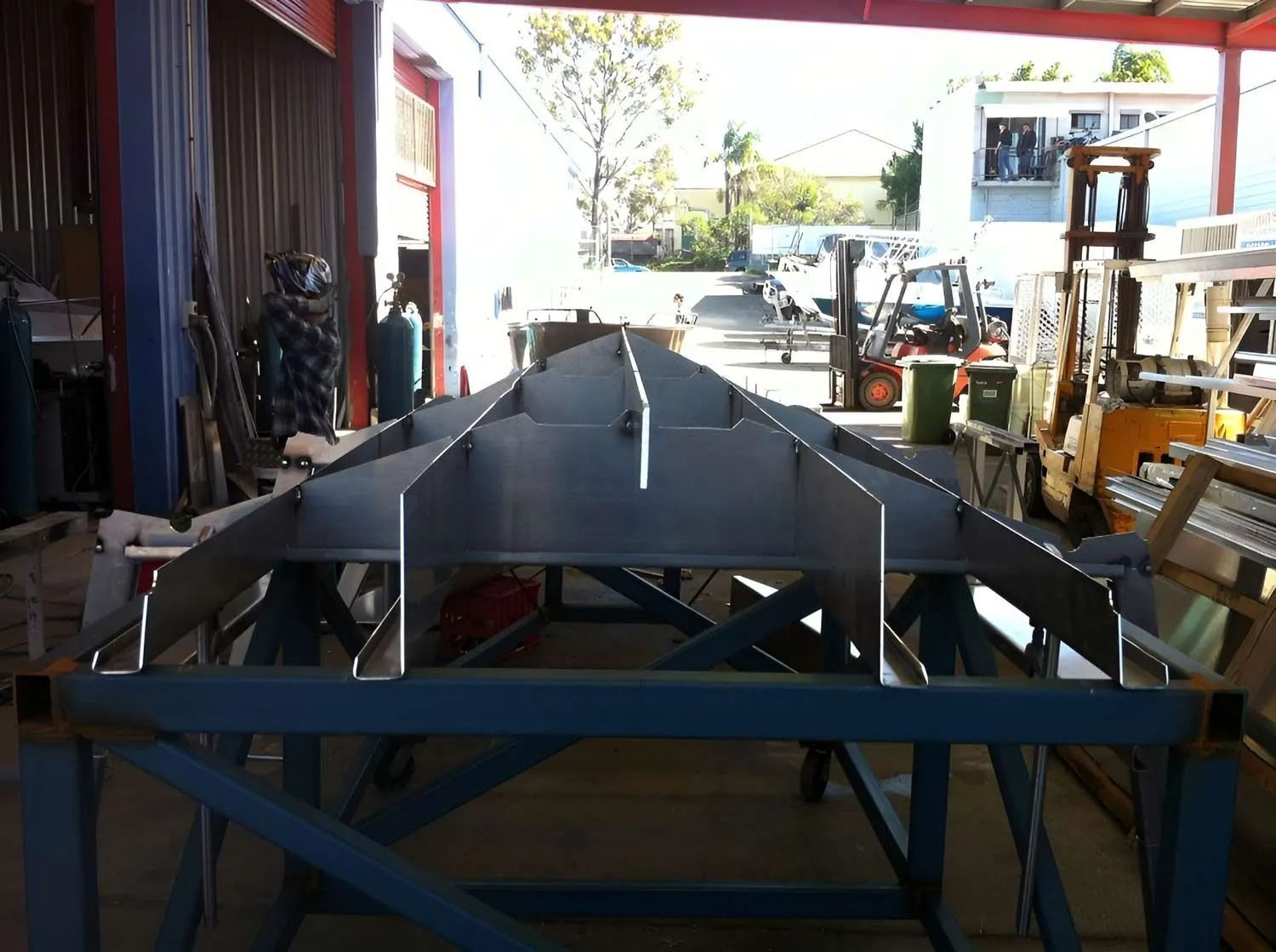
Marine welding covers far more than repairing a cracked boat hull.
Depending on the project, specialist work may involve:
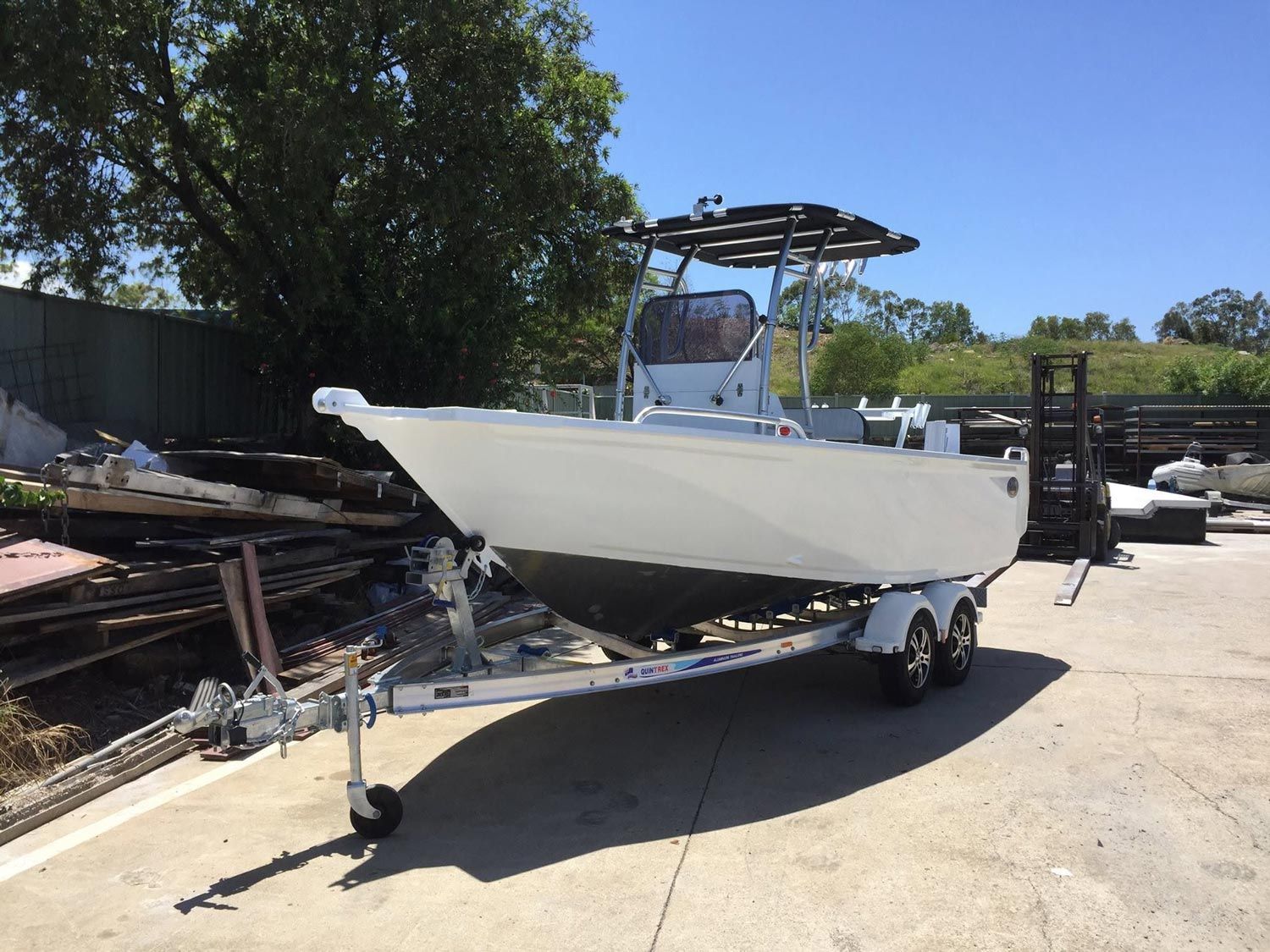
- Aluminium plate boats
- Hull repairs and modifications
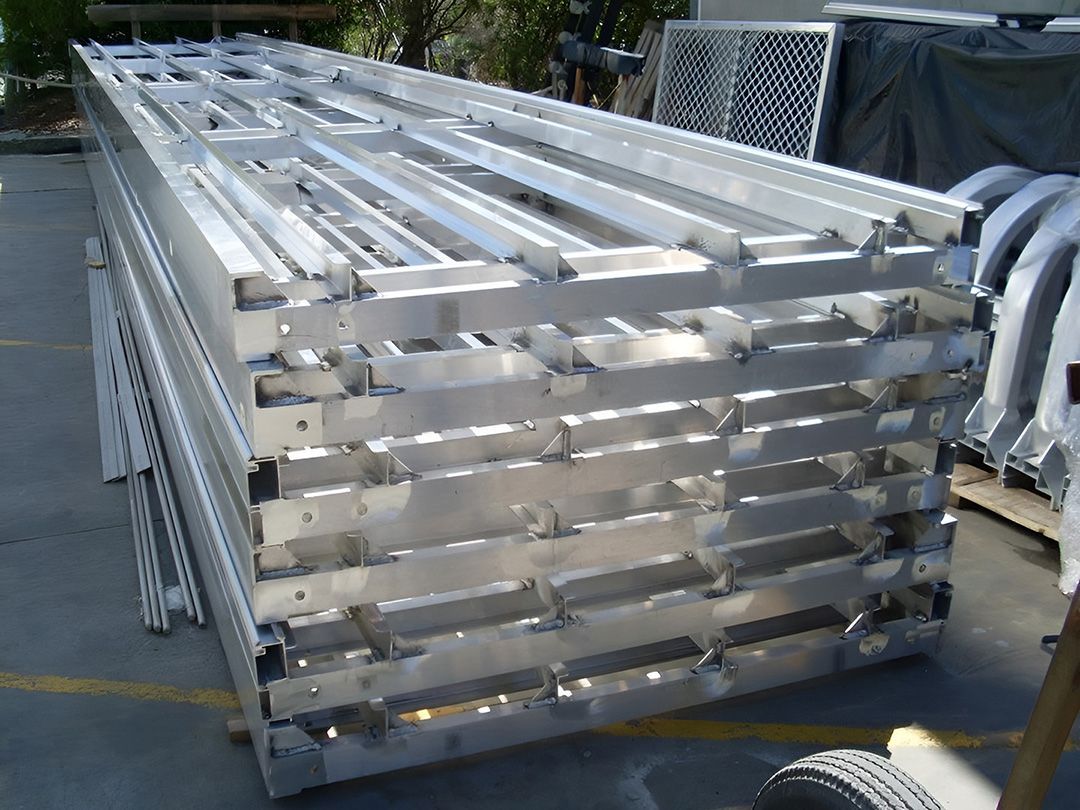
- Pontoons and jetties
- Boat canopies
- Barges
- Structural reinforcement
- Custom aluminium marine components
The skills required can vary significantly from one job to another. A small custom aluminium component, for example, presents a very different welding challenge from a structural hull repair or pontoon modification.
That is why marine experience matters alongside general welding ability.
Why Experience With Marine Environments Matters
A welder who regularly works on marine projects is more likely to recognise the practical issues that are easy to miss in general fabrication. That includes understanding how aluminium behaves during welding, how saltwater exposure affects materials, where structural loads are concentrated and how repair access may differ on boats or fixed marine structures.
Practical marine knowledge also matters when deciding whether a component can be repaired, modified or should be remade.
For boat owners and marine businesses, that experience can help reduce the risk of a repair being technically sound in the workshop but poorly suited to the conditions it faces once back in service.
Choose Specialist Marine Welding On The Gold Coast
At Brumb’s Welding & Fabrication, we provide marine welding on the Gold Coast for boats, pontoons, jetties and other marine applications. Our team specialises in aluminium marine work, including plate boats, hull repairs, boat modifications, barges, pontoons and custom fabrication. Company director Tony Bramich has more than 20 years of marine-industry experience and spent 16 years working under experienced Australian boat builder Alf Stessi.
We use marine-grade materials and proven welding techniques with a focus on durability, structural integrity and suitability for coastal conditions.
Contact Brumb’s Welding & Fabrication to discuss your marine repair, modification or custom fabrication project.
Frequently Asked Questions
Why is aluminium commonly used for marine fabrication?
Aluminium is lightweight, corrosion resistant and well suited to boats, pontoons and other marine structures. We work extensively with aluminium and can assess the material, component and intended use before choosing the most appropriate welding approach.
Can a cracked aluminium boat hull be welded?
Many aluminium hull cracks can be repaired, but the right method depends on the location, extent of the damage and condition of the surrounding material. We assess the affected area before determining whether welding, reinforcement or another approach is appropriate.
Do marine welds need to meet different standards?
Some marine work, particularly on commercial vessels, can involve specific construction or structural requirements. We assess the project and intended use so the welding approach suits the material, component and marine environment.
Can you repair pontoons and jetties?
We carry out marine welding and repairs for pontoons, jetties and other marine structures, including aluminium and structural components. The repair approach depends on the material, damage and how the structure is used.
Do you provide custom marine fabrication?
We provide custom marine fabrication for a range of applications, including aluminium boats, canopies, pontoons and other purpose-built components. We can discuss the design and intended use before fabrication begins.