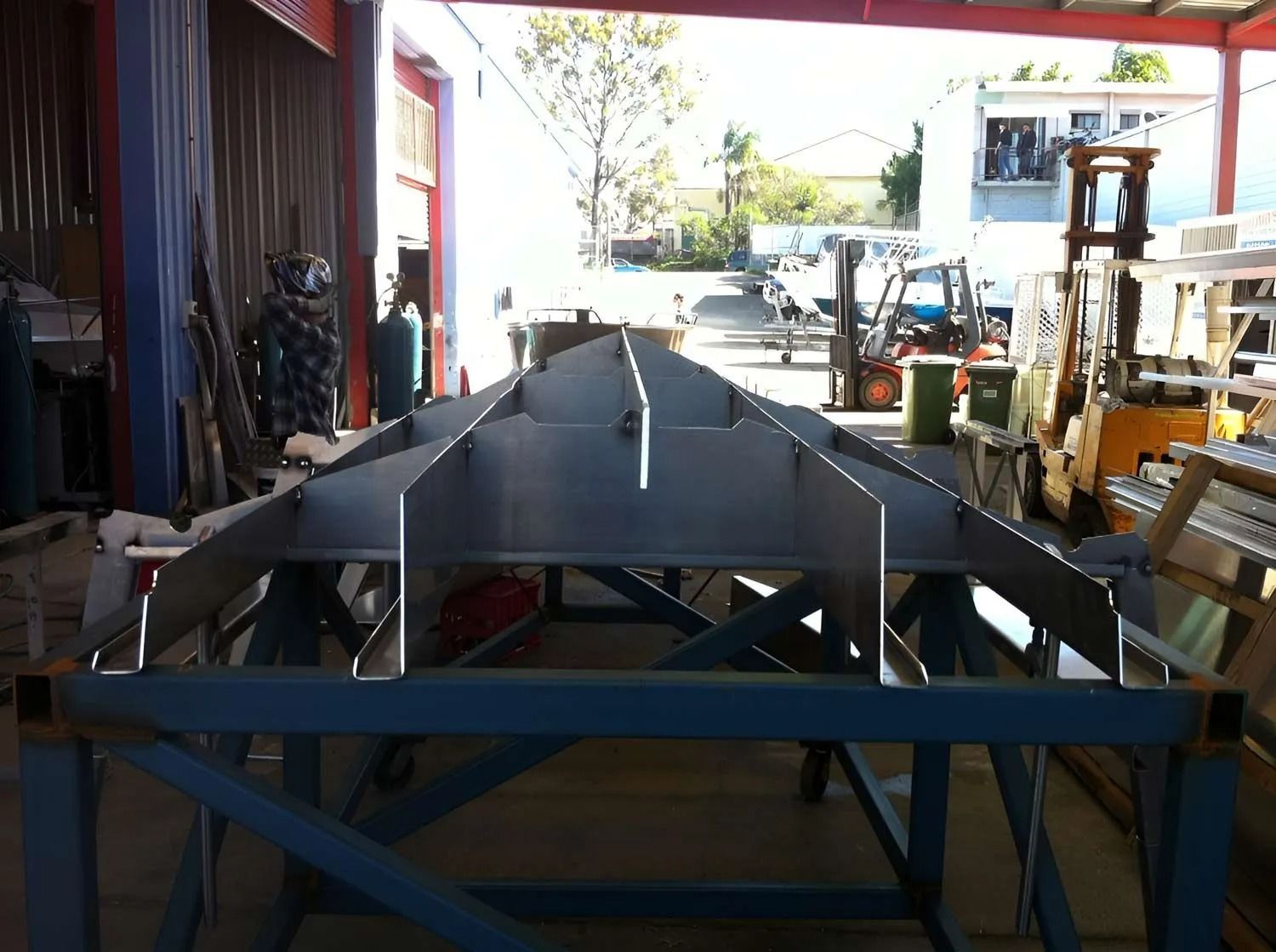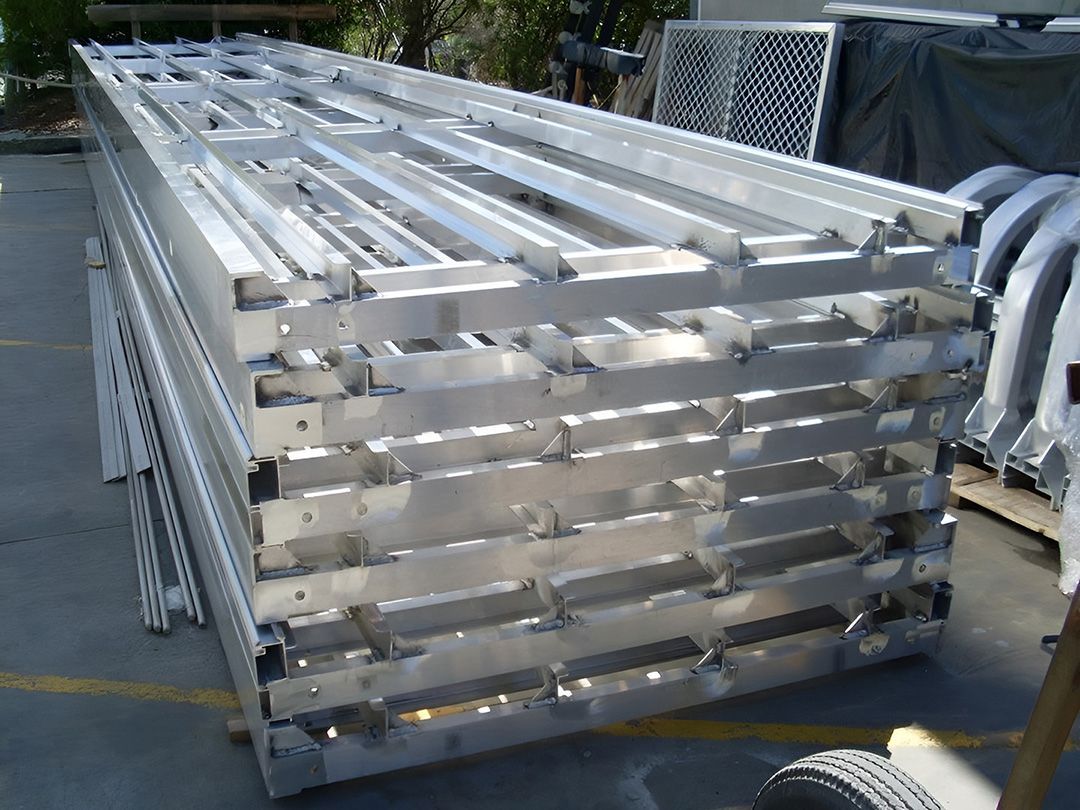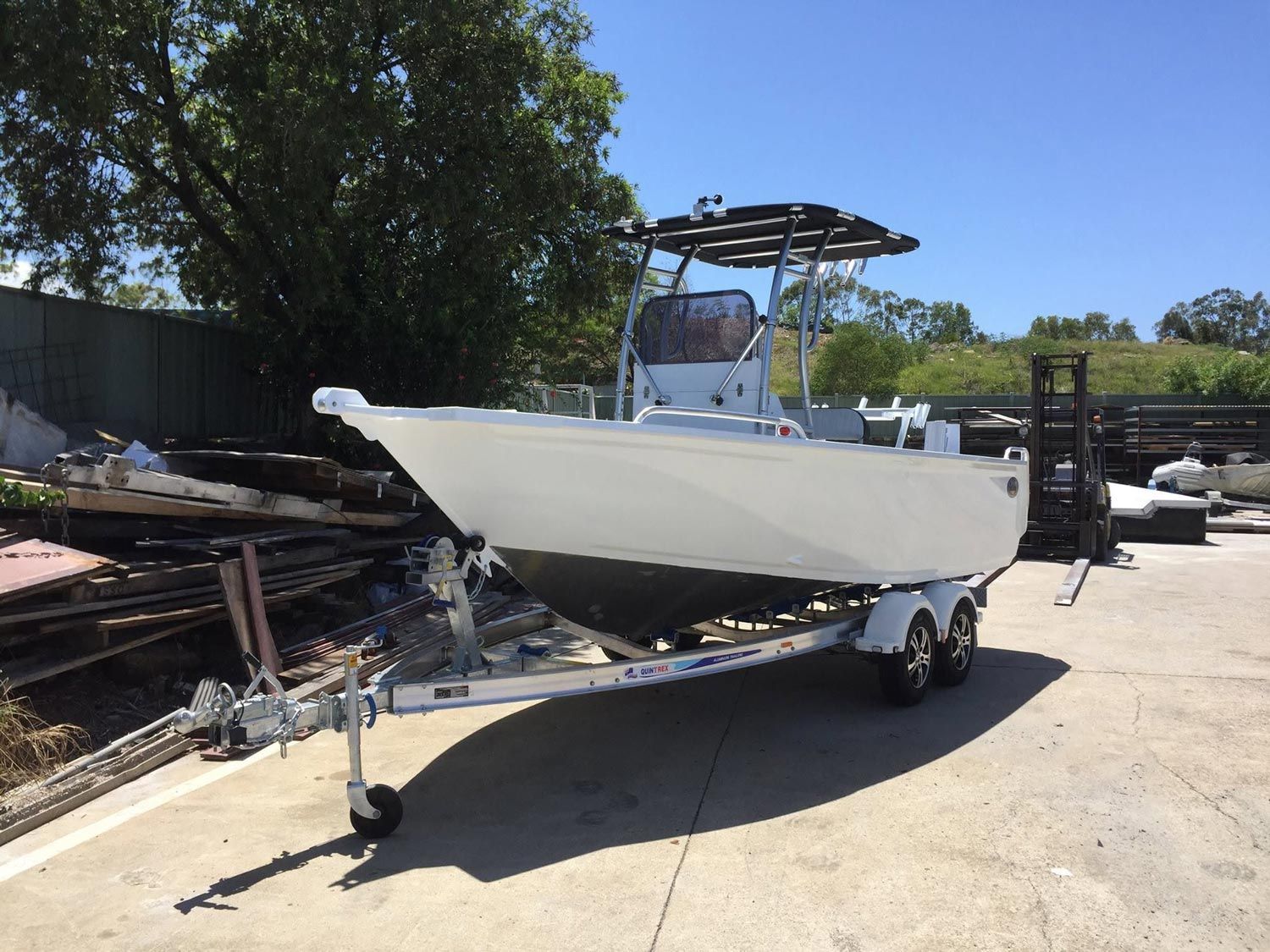
Steel Fabrication For Industrial Equipment & Machinery On The Gold Coast
Industrial machinery rarely gives a single, obvious warning before something goes wrong. Instead, it becomes harder to live with. A machine that once ran smoothly now needs frequent adjustment. A guard that was always silent starts to vibrate at a certain speed. A platform that felt solid develops a slight flex that makes people shift their stance without thinking about it. None of these issues stop production straight away, which is exactly why they linger. Over time, those small changes affect safety, accuracy and reliability. In many cases, the real issue is not the machine itself but the steel supporting it no longer behaving as it should.
Small Steel Movement Creates Big Mechanical Problems
Machines are built to operate within tight tolerances. When the steel beneath them moves, even slightly, those tolerances disappear. Shafts drift, bearings load unevenly and vibration shows up where it never used to. The machine still runs, but it is no longer running comfortably. These problems are rarely dramatic. They creep in and get blamed on whatever component fails first, even though the underlying issue has been present for months.
On working sites, this often shows up as:
- Repeated realignment during routine servicing
- New vibration at specific speeds or loads
- Fasteners loosening despite correct torque
Steel that stays where it was installed keeps mechanical systems predictable, which is what operators and maintenance teams depend on.
Frames & Bases Decide How Everything Above Them Behaves
A fabricated frame does more than carry weight. It controls geometry, alignment and how forces travel through the machine. If the base twists or settles, every component mounted to it inherits that distortion. Machines will often keep operating on compromised frames, but they do so inefficiently. Wear increases, noise creeps in and adjustments become more frequent. That is when maintenance becomes reactive instead of planned.
Well-performing frames usually share a few traits:
- Section sizes matched to real operating loads
- Bracing that resists racking during movement
- Welds placed to handle fatigue, not just static load
When the base stays square, everything bolted to it works less hard.
Guards Must Tolerate Contact Without Becoming The Problem
Guards exist because people work close to machinery, not because a specification demands them. They get leaned on, bumped by trolleys, brushed past with tool belts and occasionally struck when something shifts unexpectedly. A guard that flexes or rattles quickly becomes an irritation. Once that happens, guards stop being trusted. They get removed for “just a moment,” tied back, or avoided altogether, which defeats their purpose.
Reliable guards tend to:
- Stay rigid when leaned or braced against
- Remain quiet during machine operation
- Keep fixings tight over time
A guard that feels solid earns respect on the floor, which is ultimately what keeps it in place.
Platforms Are Workspaces Whether You Planned For It Or Not
Access platforms are rarely used only for access. People stand on them to isolate equipment, troubleshoot issues and carry parts while working at height. They become workspaces by default. If a platform moves underfoot, behaviour changes immediately. People rush, overcompensate or avoid standing where they should. Over time, that affects both safety and efficiency.
Fabricated platforms need to account for:
- Continuous foot traffic throughout the day
- Uneven & shifting loads during tasks
- Exposure to oil, moisture & debris
A platform that feels steady allows people to focus on the work instead of their footing.
Brackets & Mounts Quietly Control Alignment
Brackets and mounts rarely get attention until something goes wrong. When they move, belts start tracking poorly, bearings wear faster and vibration spreads through the system. The visible failure happens elsewhere, which makes the steel holding everything together easy to overlook. These components must resist torque, heat and vibration without creeping over time. Even small movement can undo careful alignment.
Reliable mounts usually feature:
- Adequate thickness to resist bending
- Reinforcement around fixing points
- Welds arranged to minimise stress concentration
When mounts stay put, machinery stops chewing through consumables and adjustments.
Corrosion Attacks Where You Are Not Looking
Steel does not usually corrode in obvious places. It starts in joints, overlaps and corners where moisture collects and inspection is difficult. By the time damage is visible, strength has often already been compromised. Fabrication decisions play a major role in how quickly this happens. Small design choices can either trap moisture or allow it to drain away naturally.
Steel that holds up in exposed conditions often includes:
- Designs that avoid boxed-in cavities
- Joints that can be inspected & cleaned
- Proper surface preparation before coating
Ignoring exposure shortens service life long before failure becomes obvious.
Repairs Should Remove The Cause, Not Hide The Damage
Steel gets damaged in ordinary ways. Forklifts clip supports. Brackets fatigue after years of vibration. Loads exceed expectations during lifts or modifications. A repair that only looks solid will fail again because the stress never changed. Proper repairs restore structural behaviour. They stop movement, return alignment and address the load path that caused the damage.
Effective repair work usually involves:
- Removing cracked material completely
- Reinforcing stressed areas properly
- Replacing distorted parts that cannot be trusted
Done correctly, repairs stabilise equipment instead of postponing the next issue.
Fabrication Works Best When It Respects How People Actually Work
Steel additions often fail because they ignore how equipment is used day to day. If a guard blocks access, it will be removed. If a platform is awkward, it will be bypassed. If a bracket makes servicing harder, people will improvise.
Fabrication that works fits into existing habits rather than fighting them. It supports how tasks are already performed.
That usually means:
- Clear access for isolation & servicing
- Fasteners that survive repeated removal
- Space for real tools & natural hand positions
Keeping Equipment Reliable Starts With Steel That Holds Up
We at
Brumb's Welding & Fabrication work with industrial operators on the Gold Coast who rely on machinery staying stable, safe and predictable. From frames and platforms to guards, brackets and structural repairs, our focus is on steel that performs under load, vibration and constant use in coastal conditions. If your equipment needs new components, modifications or repairs, contact us to talk through what is happening on site.
Call or
book a consultation and make sure the steel supporting your machinery is not the reason small issues keep turning into costly problems.